
How to Remove Common Household Stains (Before They Become Permanent)
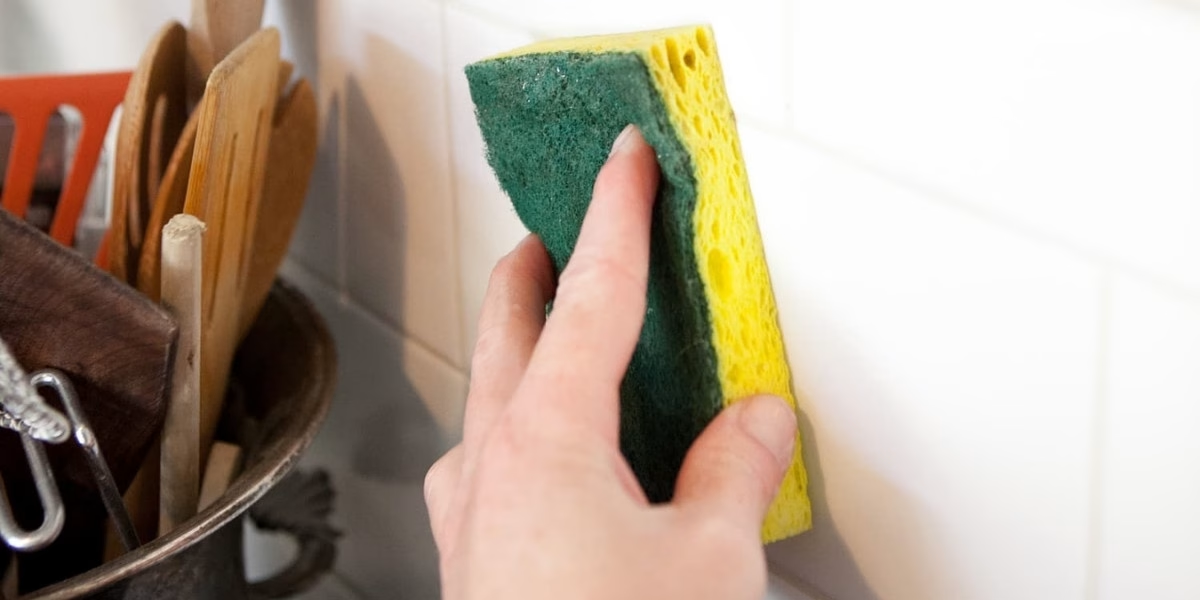
It’s an understandable instinct, but it’s also the reason so many stains become harder to remove.
Learning how to remove common household stains starts with recognizing that different stains need different treatments. Grease behaves nothing like coffee. Hard water deposits respond to a completely different approach than pet accidents. Using the wrong cleaner, or trying several products one after another, can set a stain permanently or even damage the surface underneath it.
At Keepsake PCO, we’ve cleaned thousands of Twin Cities homes, and stain removal of some kind comes up nearly every time. The good news is that once you understand what kind of stain you’re looking at, choosing the right solution becomes much easier.
Removing a household stain successfully comes down to identifying what caused it before treating it. A few principles almost always apply:
- Act quickly. Fresh stains come out far more easily than ones that have had time to set.
- Choose a cleaner based on the stain, not the surface. A grease stain, a coffee spill, and a hard water deposit might all show up on the same countertop, but each needs a different type of cleaner.
- Blot, don’t scrub. Scrubbing spreads a stain and can damage the surface underneath it.
- Never combine multiple cleaning products on the same stain. Mixing certain products, especially anything containing bleach, can create dangerous fumes.
- For hard surfaces like countertops, cabinets, and grout, treat buildup (grease, soap scum, hard water) differently than a fresh accidental spill.
- Test any new product in a small, hidden area first.
- If a stain has soaked into carpet or upholstery and won’t lift with basic blotting, a specialist with the right equipment will typically get better results than repeated home attempts.
The sections below cover the specific stains we’re asked about most, the products that actually work on each, and the mistakes that turn a small stain into a bigger job.
How to Remove Common Household Stains, By Type
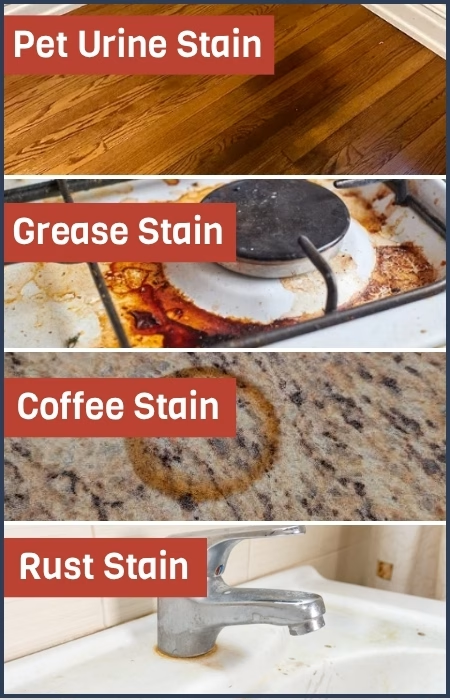
Protein-based stains come from blood, eggs, grass, and pet accidents. Start with cold water, since heat can permanently set these stains. If water isn’t enough, look for a cleaner specifically designed to break down organic stains, often sold as a pet stain remover. Our companion guide on cleaning product types covers the differences between these products in more detail.
Oil-based stains come from cooking grease, butter, body oils, and makeup. These respond best to something that can break down fat, like dish soap or a dedicated degreaser. Water alone usually just spreads the oil around.
Pigment and tannin stains come from coffee, tea, wine, and berries. These stains often respond better to products made for lifting color from fabric and grout, such as OxiClean, than to ordinary soap and water.
Mineral-based stains come from hard water, soap scum, and rust. These aren’t caused by something spilling; they build up gradually as minerals in water or soap residue dry on a surface repeatedly. They need a cleaner made specifically for calcium, lime, and rust, not a general all-purpose spray.
Most stain-removal guides only cover the first three categories. In our experience cleaning Twin Cities homes, mineral buildup is one of the most common stain-related complaints we hear, especially in bathrooms and around kitchen fixtures.
The Rule Most People Break When Trying to Remove Stains
Before reaching for any cleaner, take a moment to figure out what actually caused the stain. This single step prevents more damage than any product recommendation in this guide.
We regularly see homeowners spray one cleaner on a stain, wait a few minutes, and when it doesn’t work immediately, spray a second product on top, sometimes a third. Beyond being ineffective, this habit can be dangerous. Certain combinations, most notably bleach mixed with ammonia or an acidic cleaner, produce toxic gas that can cause respiratory symptoms.
If a product doesn’t work on the first try, rinse the area and let it dry completely before trying a different approach, rather than layering products on top of each other.
The Stains We See Most in Twin Cities Homes
These six categories account for the large majority of the stain-related work we do across the metro, and each one calls for a different fix.
How to Clean Kitchen Grease and Food Splatter
Backsplashes, cabinet fronts, and the wall around a stove hood take a steady hit of airborne grease every time something gets sautéed or fried. A grease-cutting cleaner works best here because it breaks down cooking oils instead of simply moving them around. Dish soap, like Dawn, is often enough for fresh splatter, while heavier, baked-on buildup may call for a dedicated kitchen degreaser.
How to Clean Soap Scum and Hard Water Buildup
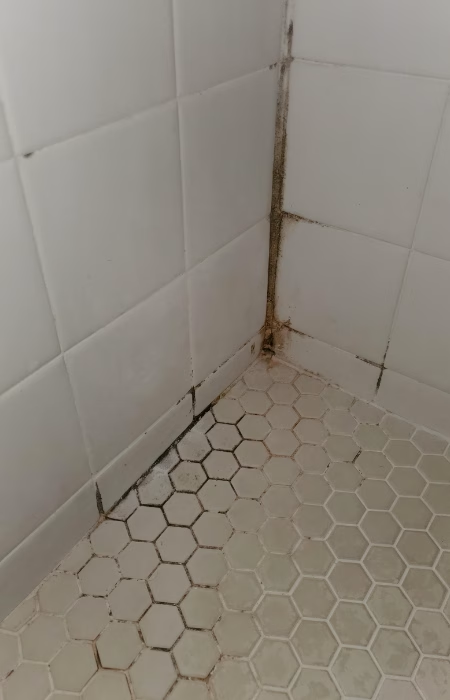
Showers, tubs, and the area around faucets develop a filmy buildup over time as soap residue and dissolved minerals in the water dry on the surface repeatedly. Hard water stains need a cleaner made specifically for calcium, lime, and mineral deposits. Products like CLR are designed for exactly this kind of buildup, while an everyday all-purpose spray usually won’t touch it. A dedicated tub and tile cleaner also helps keep daily soap scum from hardening into something tougher.
How to Clean Coffee and Beverage Stains
Coffee, tea, and other dark beverages show up most often on countertops and occasionally on upholstery. Blot up as much as possible immediately, since letting a beverage stain dry gives the pigment more time to bond with the surface.
On hard countertops, an all-purpose cleaner is often enough if you catch the spill quickly. On fabric or grout, a stain remover designed to lift pigment, such as OxiClean, usually performs much better.
How to Clean Pet Accidents on Hard Floors
Pet accidents near litter boxes and entryways respond best to cleaners made specifically for pet stains, since they remove the organic material causing both the stain and the odor instead of simply covering up the smell. We covered this in more detail, along with a full routine for managing pet hair and odor day to day, in our guide to keeping a house clean with pets.
How to Clean Scuff Marks on Walls, Doors, and Trim
Scuff marks work a little differently than the other stains on this list, since they usually come from shoes, furniture, or bags making contact with a painted surface rather than a liquid or substance being spilled. A mildly abrasive approach works best here.
Plain white toothpaste, not gel, can lift some scuff marks thanks to its mild abrasiveness, and it can also help polish chrome fixtures or clean stubborn residue from a sink in a pinch. It’s a niche trick rather than a go-to stain remover. Most of the time, there’s a product better suited to the job, but toothpaste is worth knowing about for the right surface, used carefully.
How to Clean Rust and Mineral Stains
Rust around sinks, tubs, and toilets comes from metal fixtures or hard water reacting with a porcelain or metal surface over time. Like soap scum, this responds to a cleaner made for calcium, lime, and rust, such as CLR, or a mildly abrasive cleaner made for stainless and porcelain surfaces, like Bar Keeper’s Friend. A general bathroom spray usually isn’t strong enough to break down rust and mineral deposits.
What About Stains on Carpet, Upholstery, and Clothing?
For any fresh spill on carpet or upholstery, blot rather than rub, working from the outside of the stain toward the center so it doesn’t spread. Cold water works for protein-based stains like blood or pet accidents. A cleaner designed specifically for organic and pet stains is worth having on hand for these, since it breaks the stain down instead of just lifting surface residue.
For clothing, treat the stain before it goes anywhere near a dryer. Heat sets nearly every stain type permanently, so a stained garment should go through the wash, get checked, and get washed again if needed before it ever sees a heat cycle.
If a stain has fully set into carpet padding or deep into upholstery fibers, and blotting and basic treatment aren’t lifting it, a specialist with professional-grade equipment will typically get better results than repeating the same steps at home.
It’s Usually Buildup, Not Just Accidents
Homeowners tend to think of stains as isolated accidents: a spill here, a splash there. In our experience, the bigger challenge is usually gradual buildup rather than a single event. Grease, soap residue, hard water deposits, and body oils accumulate slowly, often for months, until they suddenly become noticeable.
By the time buildup like this gets noticed, it typically takes more effort to remove than a fresh stain would have. Regular cleaning on a consistent schedule, rather than occasional deep scrubbing sessions, keeps grease, soap scum, and mineral deposits from reaching the point where they need aggressive treatment. Our guide to realistic cleaning routines for real life covers how to build that kind of schedule without it taking over your week, and a routine cleaning plan handles buildup-prone areas, like kitchen backsplashes and bathroom fixtures, on a consistent basis so they never get the chance to set in.
The Mistake That Turns a Stain Into a Repaint Job
In one kitchen I cleaned, a homeowner had splattered cooking grease across the painted wall beside the stove. After reading online that a baking soda paste would lift it, they scrubbed the area with a rough sponge. Instead of removing the grease, the scrubbing dulled the paint’s finish and spread the stain across a wider area. What started as a small cleaning job turned into a repainting project.
The lesson holds for nearly every stain on this list: identify what you’re dealing with before choosing a method. Grease, protein, tannins, hard water, and rust all respond differently, and a product that works beautifully on one can set another permanently or damage the surface it’s on.
What’s Actually in a Professional Cleaner’s Cart
Some people are surprised to learn that as professional cleaners we don’t rely on one miracle cleaner. Instead, we carry several products, because different messes call for different solutions:
- A grease-cutting cleaner for kitchen cabinets, backsplashes, and stove hoods
- A hard water and mineral remover, like CLR, for showers, sinks, and faucets
- A streak-free glass cleaner for mirrors and windows
- A mild abrasive cleaner, like Bar Keeper’s Friend, for stainless steel, porcelain, and stubborn residue
- An adhesive remover, like Goo Gone, for sticky residue left behind by labels and tape
- Dish soap, like Dawn, for light grease and a range of everyday cleaning tasks
And for scuff marks in a pinch, plain white toothpaste can work as a mild abrasive, though it’s a niche trick rather than something we’d reach for as a first choice.
Some homeowners prefer naturally derived products, and we’re happy to accommodate those requests. In our experience, though, professional-strength products typically remove heavy buildup more effectively and with less scrubbing.
For more on why each type of cleaner works the way it does, see our companion guide on essential leaning products and when to use each one.
Also, we rarely solve a tough stain by scrubbing harder. More often, the fix is identifying the stain correctly and reaching for a cleaner designed for it specifically. The right product usually means less scrubbing, which is better for both the stain and the surface underneath it.
When to Call a Professional Cleaner
Some stains are worth tackling immediately with what’s under the sink. Others are a sign it’s time to bring in help.
Recurring buildup that keeps coming back. If soap scum, hard water spots, or kitchen grease reappear within days of cleaning them, the buildup has likely reached a point where a deeper reset makes more sense than another round of spot treatment. A deep cleaning visit addresses buildup in the areas that accumulate it fastest, like grout, range hoods, and shower fixtures.
Before hosting or selling. Kitchen grease, bathroom mineral deposits, and scuff marks along entryways and stairwells are some of the first things guests and buyers notice. Our guide to cleaning before guests arrive covers which areas to prioritize on a shorter timeline.
Moving in or out of a home. Previous tenants and owners leave behind their own version of buildup, especially around stoves, sinks, and bathroom fixtures. Move-in/move-out cleaning addresses that kind of accumulated grease and mineral staining before it becomes your problem to solve.
A stain that won’t lift with basic treatment. If a stain has set deep into carpet padding, upholstery fibers, or a porous surface like grout or natural stone, specialized equipment usually gets better results than repeating the same store-bought product multiple times.
If you’re not sure what a routine, deep, or move-in/move-out visit actually covers, our guide to what’s included in a professional house cleaning breaks it down room by room.
FAQs About How to Remove Household Stains
What's the best way to remove grease stains from a painted wall or cabinet?
Wipe gently with a grease-cutting dish soap, like Dawn, or a dedicated degreaser, using a soft cloth and light pressure rather than scrubbing. Aggressive scrubbing, especially with a rough sponge, can dull paint and spread the stain instead of lifting it.
Can you use toothpaste to remove stains?
Plain white toothpaste can work as a mild abrasive on certain scuff marks and can help polish chrome fixtures, but it isn’t a general stain remover. There’s almost always a product better suited to a specific stain, so treat toothpaste as an occasional trick rather than a first choice.
Why shouldn't you mix cleaning products?
Combining certain cleaners, especially anything containing bleach with ammonia or an acidic product, can create toxic fumes. If one product doesn’t work, rinse the area and let it dry before trying a different one rather than layering products together.
What's the difference between a stain and buildup?
A stain usually comes from a single event, like a spill or splash. Buildup, like soap scum, hard water deposits, or grease film, accumulates gradually over weeks or months until it becomes noticeable all at once. Buildup typically needs a stronger, more targeted cleaner than a fresh stain does.
Does hot or cold water work better on stains?
Cold water is safer for most stains, especially protein-based ones like blood or pet accidents, since heat can set them permanently. Hot water has a place for oil-based stains that need help breaking down, but it should never be the first step on a stain you haven’t identified yet.
How do you remove hard water stains and soap scum?
These respond to a cleaner made specifically for calcium, lime, and rust, such as CLR, rather than a general all-purpose spray. Regular cleaning keeps the buildup from hardening in the first place, which makes it far easier to manage than removing it after it has set.
Treat the Cause, Not Just the Mark
Every stain on this list responds to something specific: cold water for protein-based stains, a grease-cutting cleaner for oil-based ones, a pigment-lifting product like OxiClean for coffee and wine, and a mineral remover like CLR for hard water and rust. Reaching for the right one the first time, rather than working through a cabinet’s worth of products by trial and error, is what actually gets a stain out without damaging what’s underneath it.
And when buildup has had months to set in, or a stain needs equipment beyond what’s under the sink, that’s exactly the kind of reset a professional cleaning is built for. Get a quote and let Keepsake help keep your Twin Cities home ahead of the grease, grime, and buildup that come with everyday living.
About the Author

Claire Hensley
Cleaning Specialist
Claire Hensley is a cleaning specialist at Keepsake PCO with hands-on experience helping Twin Cities homeowners maintain cleaner, more comfortable homes. Claire writes about cleaning tips, home maintenance, and what professional cleaning actually looks like from the inside.
More Motivation & Tips
How Much Does Professional Packing Cost in the Twin Cities?
How much does professional packing cost in the Twin Cities? Based on real Keepsake service data, here’s what packing actually costs by service type.

How Often to Deep Clean Each Room in Your Home
Wondering how often to deep clean each room in your home? See real Twin Cities cleaning data plus a room-by-room schedule from a local cleaning pro.
How to Clean and Organize a Garage
Learn how to clean and organize a garage, including removing oil and rust stains, from a Twin Cities cleaning and organizing team.