
Essential Cleaning Products for Your Home (And What Each One Actually Does)
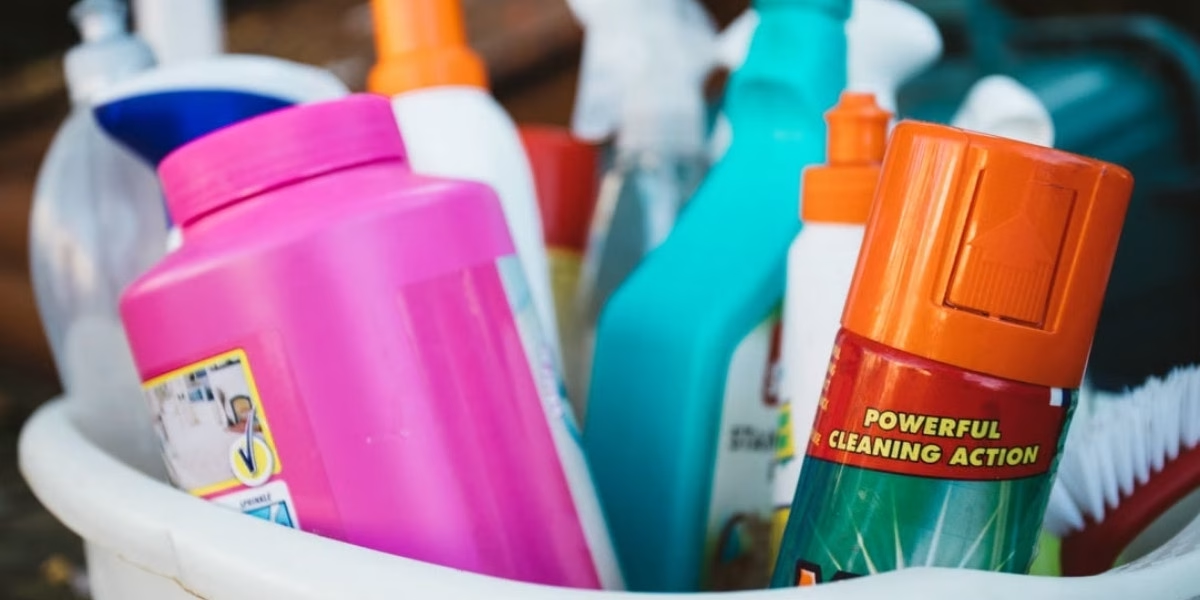
The essential cleaning products worth keeping in your home aren’t complicated, but they aren’t interchangeable either. A grease stain, a hard water ring, and a dried-on splash of red wine all call for a different approach, and reaching for the wrong bottle can mean more scrubbing, a stain that sets deeper, or in some cases, a surface that gets damaged instead of clean.
At Keepsake PCO, we build our cleaning carts around a small, deliberate set of products, each one earning its spot because it does something the others can’t. This guide walks through what’s actually worth having on hand, what each product does, and when to reach for it instead of grabbing whatever’s closest.
You don’t need dozens of specialty sprays to keep a home clean, but one all-purpose cleaner won’t cover everything either. A few essentials handle almost every situation:
- An all-purpose cleaner for everyday surfaces and light messes
- A degreaser for kitchen grease and cooking residue
- An oven cleaner for baked-on buildup a degreaser won’t touch
- A glass and mirror cleaner for a streak-free finish
- A mineral remover for hard water, soap scum, and rust
- A mildly abrasive cleaner for stainless steel, porcelain, and stubborn residue
- An organic stain and odor remover for pet accidents, coffee, and wine
- An adhesive remover for sticky residue from labels and tape
- A disinfectant, used only where germs are the actual concern, not for everyday cleaning
Pair these with a few basic tools, microfiber cloths, a melamine sponge, and a good scraper, and you’re equipped for nearly everything that comes up in a normal home.
The sections below cover what each product actually does, where people commonly reach for the wrong one, and how to build a kit by room.
Why One Cleaning Product Doesn’t Do Everything
Using one product for every job usually means one of two things happens: either the job takes longer than it should because the product isn’t suited to it, or the surface gets scrubbed harder to compensate, which is exactly how a lot of avoidable damage happens.
The Essential Cleaning Products Worth Keeping on Hand (and What Each One Does)
All-Purpose Cleaner
An all-purpose cleaner is the one product almost every home already has, and for good reason. It handles light, everyday messes on countertops, sealed surfaces, and general wipe-downs without needing anything more specialized.
Where it falls short is heavier, specific messes. It won’t cut through baked-on grease the way a degreaser will, and it won’t touch hard water deposits or soap scum the way a mineral-specific cleaner will. Think of it as the product for maintenance, not for buildup that’s already set in.
Degreaser
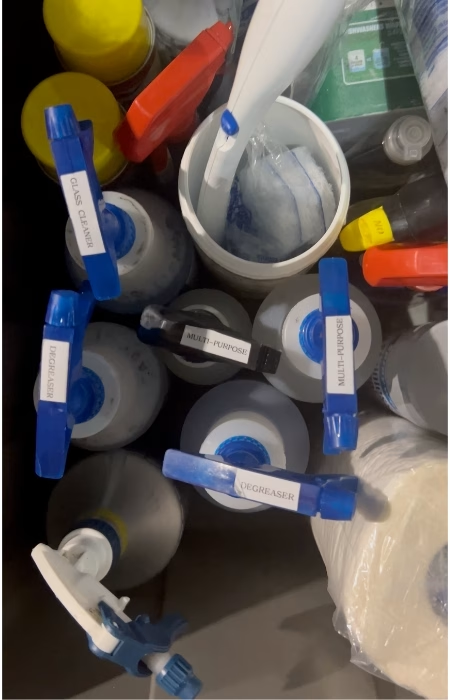
Cooking grease behaves differently than everyday grime, and it needs a product built to break down fat and oil rather than just lift surface dirt. A dedicated degreaser, like the heavy-duty kind used on kitchen backsplashes and range hoods, handles this specifically.
For lighter, fresher grease, a bit of dish soap, like Dawn, works well enough on its own, since cutting grease is exactly what dish soap is designed to do. Save the stronger degreaser for buildup that’s had time to set.
Oven Cleaner
An oven cleaner is a different category entirely from a general degreaser, and it’s worth having on hand separately rather than assuming your kitchen degreaser will do the job. Baked-on residue inside an oven has been through repeated heat cycles, which makes it far more stubborn than grease on a backsplash.
Oven cleaners like Easy Off are formulated to be significantly stronger, and that strength comes with real handling requirements: gloves, ventilation, and following the label’s contact time rather than guessing. It’s one of the few products in a cleaning kit where skipping the safety basics actually matters.
Glass and Mirror Cleaner
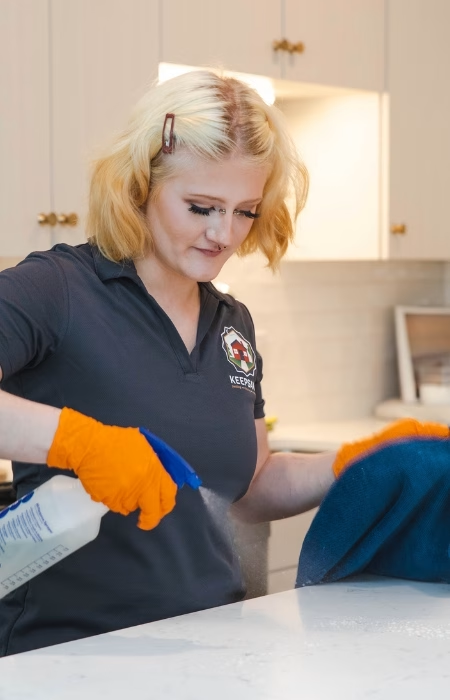
Glass cleaners are formulated specifically to evaporate quickly and leave no residue, which is why an all-purpose cleaner almost always leaves streaks on a mirror or window where a dedicated glass cleaner, like Zep, won’t. It’s a small category, but a genuinely different job than general surface cleaning.
Mineral Remover: Hard Water, Soap Scum, and Rust
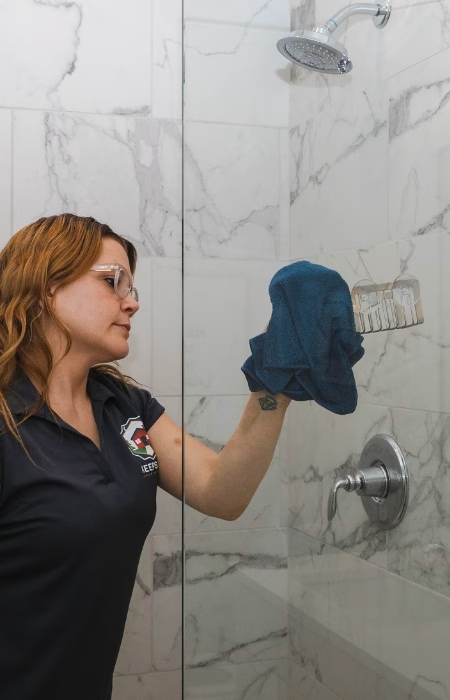
Hard water deposits, soap scum, and rust aren’t dirt in the traditional sense. They’re mineral buildup, and they need an acidic cleaner formulated specifically to dissolve those deposits, like CLR, or a dedicated tub and tile cleaner for daily soap scum before it hardens.
This is also where polish comes in, and it’s worth understanding the distinction. A product like Weiman Stainless Steel Polish serves a different purpose: it shines and protects a surface after it’s already clean, rather than removing buildup. Reaching for polish on a surface that actually needs a mineral remover first just adds a layer of shine over a problem that’s still there.
Abrasive Cleaner
Some residue needs a bit of mild abrasion to lift, not just a chemical reaction. A product like Bar Keeper’s Friend is formulated to be gently abrasive enough for stainless steel, porcelain, and similar surfaces without scratching them, which makes it useful for the kind of stubborn residue a spray alone won’t budge.
The distinction that matters here is mildly abrasive versus a rough scouring pad. The product is designed for the surface; a rough pad often isn’t, and it can scratch a finish a chemical cleaner would have handled safely.
Organic Stain and Odor Remover
Coffee, wine, pet accidents, and other organic messes respond best to a product designed to break the stain down at its source rather than mask it. An oxygen-based cleaner, like OxiClean, works well on fabric and grout for pigment stains, and a cleaner made specifically for pet stains handles the odor along with the mark, since it addresses the organic material causing both.
Adhesive Remover
Sticky residue left behind by labels, tape, or stickers doesn’t respond to soap and water the way most messes do. A dedicated adhesive remover, like Goo Gone, is built to break down that specific kind of sticky bond without smearing it across a wider area, which is exactly what tends to happen when people try to scrub it off instead.
Disinfectant vs. Everyday Cleaner
This is one of the most common mix-ups in home cleaning: cleaning and disinfecting aren’t the same task. A cleaner removes dirt, dust, and grime. A disinfectant kills germs on a surface, and it needs to stay wet on that surface for a specific amount of time to actually work, not just get sprayed and wiped immediately.
Most everyday cleaning in a home doesn’t need a disinfectant at all. Save it for situations where germs are the actual concern, like after an illness in the house or on high-touch spots like doorknobs and light switches, rather than using it as a stronger version of general cleaning.
The Essential Cleaning Tools That Make These Products Work
Even the right product underperforms with the wrong tool. A few tools consistently make the difference in how well these products actually perform.
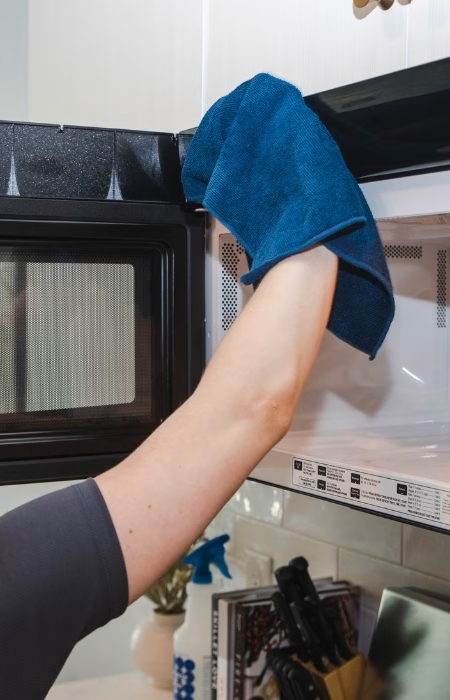
Microfiber cloths pick up dust and residue instead of pushing it around the way a paper towel or standard rag often does, and they’re the right choice for glass and stainless steel especially.
Melamine sponges, sold under names like Magic Eraser, are a mildly abrasive foam that lifts scuff marks and stubborn residue from walls, trim, and some hard surfaces without needing a chemical cleaner at all. They’re a tool, not a product, and they work through fine abrasion rather than a chemical reaction.
A scraper or squeegee handles stuck-on messes, like dried food or bathroom soap film, before a cleaner even goes to work, which means less product and less scrubbing overall.
The right tool paired with the right product usually means less of both, not more of either.
What Can Go Wrong When You Use the Wrong Cleaning Product
Using the wrong product on the wrong surface doesn’t just fail to clean it. In some cases, it causes damage that’s harder to fix than the original mess.
Acidic cleaners on natural stone. The same acidic cleaners that dissolve hard water and rust beautifully will etch natural stone surfaces like marble and granite, leaving a permanently dull mark. If a countertop or floor is natural stone rather than an engineered surface, check that a cleaner is stone-safe before using it.
Abrasive cleaners on the wrong finish. A mildly abrasive cleaner works well on stainless steel and porcelain, but it can dull a glossy painted surface or a delicate finish that isn’t built to handle any scrubbing at all.
Bleach mixed with anything else. Combining bleach with ammonia or an acidic cleaner produces toxic fumes. If a product isn’t working, rinse the surface and let it dry before trying something different rather than layering products together.
Scrubbing instead of switching products. The mistake we see most often isn’t using the wrong product to begin with. It’s sticking with one that isn’t working and scrubbing harder instead of switching to something formulated for the job. We covered a real example of exactly that, a grease stain that turned into a full repaint, in our guide to removing common household stains.
Build Your Cleaning Supply Kit: Kitchen, Bathroom, Everyday
A full kit doesn’t need to be complicated. Organizing it by where you’ll actually use it makes it easier to keep stocked and easier to grab the right thing without digging through a cabinet.
Kitchen: a degreaser, dish soap, an oven cleaner, and a mildly abrasive cleaner for stainless appliances and sinks.
Bathroom: a mineral remover for hard water and soap scum, a tub and tile cleaner for daily upkeep, a glass cleaner for mirrors and shower glass, and a disinfectant kept aside for when it’s actually needed.
Everyday and general: an all-purpose cleaner, an organic stain and odor remover, an adhesive remover, and microfiber cloths and a melamine sponge to go with all of it.
Most homes don’t need much beyond this list. Specialty single-purpose sprays usually duplicate something already covered by one of these categories.
Why Professional Cleaners Carry Many Products Instead of One
One thing that surprises people when they see a professional cleaning cart: there’s no single miracle cleaner in it. Instead, there’s a small, deliberate set of products, each one earning its place because it does a specific job better than a general spray could.
Some homeowners prefer naturally derived products, and that’s a reasonable choice for lighter, everyday cleaning. In our experience, though, natural products generally need more time, more product, or more effort to match what a professional-strength cleaner does on heavier buildup, which is worth knowing before choosing one for a tougher job.
The instinct to buy one product that does everything is understandable, but it usually means more scrubbing, not less. A smaller set of the right products, used correctly, gets most jobs done faster and with less effort than one general cleaner asked to do all of it.
If you’re curious what that translates to during an actual visit, our guide to what’s included in a professional house cleaning breaks it down room by room.
FAQs About Essential Household Cleaning Products
Do I really need a separate cleaner for every room?
categories matter more than others. A degreaser for the kitchen and a mineral remover for the bathroom cover the two areas where an all-purpose cleaner falls short the most. Beyond that, one all-purpose cleaner and a few specialty products cover nearly everything else.
What's the difference between cleaning and disinfecting?
Cleaning removes dirt, dust, and grime from a surface. Disinfecting kills germs, and it requires the product to stay wet on the surface for a specific amount of time to actually work. Most everyday cleaning doesn’t require disinfecting at all.
Can I use an all-purpose cleaner on everything?
It’s fine for light, everyday messes on sealed surfaces, but it won’t cut through baked-on grease, dissolve hard water deposits, or lift set-in stains the way a product formulated for that specific job will.
Are natural cleaning products as effective as regular ones?
They can work well for light, everyday cleaning, but they generally need more time or effort to match professional-strength products on heavier buildup like hard water deposits or baked-on grease.
What cleaning products shouldn't be mixed together?
Never mix bleach with ammonia or an acidic cleaner. The combination produces toxic fumes. If one product isn’t working, rinse the area and let it dry before trying a different one.
Is a mildly abrasive cleaner safe for all surfaces?
No. It works well on stainless steel and porcelain, but it can scratch or dull delicate finishes and should never be used on natural stone without checking that the product is stone-safe first.
The Right Cleaning Products, Used Correctly
A well-stocked cleaning kit doesn’t need a bottle for every possible mess. It needs the right handful of products, each one doing a job the others can’t, and the judgment to know which one to reach for before you start.
That’s also exactly the approach we bring to every home we clean. Get a quote and let Keepsake bring the right products, and the experience to know when to use them, to your Twin Cities home.
About the Author

Claire Hensley
Cleaning Specialist
Claire Hensley is a cleaning specialist at Keepsake PCO with hands-on experience helping Twin Cities homeowners maintain cleaner, more comfortable homes. Claire writes about cleaning tips, home maintenance, and what professional cleaning actually looks like from the inside.
More Motivation & Tips

DIY Packing vs. Hiring a Packing Service: How to Decide
DIY packing vs. hiring a packing service? Compare real Twin Cities costs, time, and breakage risk, plus a simple way to decide what fits your move.

How Long Does It Take to Pack a House? Real Twin Cities Data
How long does it take to pack a house? Real Keepsake data shows professional packing times by home size, room estimates, and DIY timelines.
Essential Packing Supplies for Your Move
Essential packing supplies for a Twin Cities move, from a packing pro. What to buy, what to skip, and how to protect your belongings.