
How to Clean and Organize a Garage
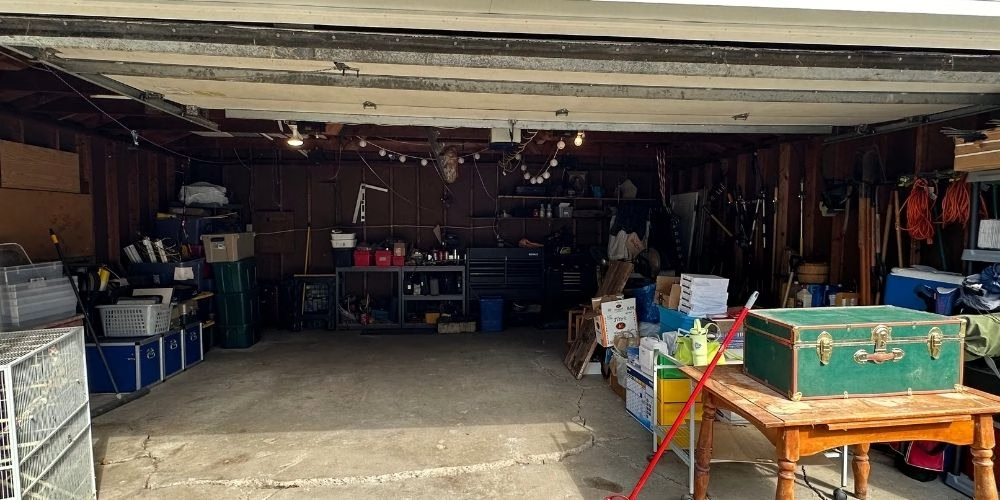
Garages tend to become the place where everything goes when you don’t know where else to put it. Bikes, holiday decorations, half-used cans of paint, the box you meant to unpack two moves ago. Over time, that adds up to a space that’s hard to use for its actual purpose.
Learning how to clean and organize a garage means treating it as two separate jobs, not one. Cleaning gets rid of the dust, grime, and stains that build up on a floor and shelves nobody thinks to wipe down. Organizing decides what stays, what goes, and where everything lives once it’s clean. Skipping either one leaves you with a garage that’s only half fixed.
At Keepsake PCO, cleaning and organizing are both services we offer, and we’ve learned that most people only think to book one when they actually need both.
How to Clean and Organize Your Home: The Short Version
Cleaning and organizing a garage works best as a single project, not two separate ones. A few things make the biggest difference:
- Take everything out, or at least everything you can move, before you start. It’s hard to clean around clutter and hard to organize a space you can’t see the shape of.
- Sort into keep, donate, and toss before anything goes back in. Deciding this after cleaning just means moving clutter around instead of reducing it.
- Clean the actual surfaces, floor stains, dust, cobwebs, before you bring anything back in. A newly organized garage still needs a real clean underneath it.
- Set up zones based on how you actually use the space, not just what looks tidy.
- In Minnesota specifically, plan for road salt, melting snow, and seasonal gear that most garage advice doesn’t account for.
The sections below walk through each step, including how to handle the oil and rust stains that show up on most garage floors.
Why Cleaning and Organizing are Two Different Jobs
It’s easy to treat a garage cleanout as one task, but cleaning and organizing solve different problems.
Organizing decides what belongs in the space and where. It’s the sorting, the zones, the bins and shelving that make things findable. Cleaning is what happens to the surfaces themselves: the dust that collects on shelves, the cobwebs in the corners, and the stains that build up on the floor over years of parking, spills, and tracked-in dirt.
A garage that’s been organized but not cleaned still looks like a garage nobody’s taken care of, just a tidier version of the same problem. A garage that’s been cleaned but not organized gets cluttered again within weeks, because nothing has a real place to go.
How to Clean and Organize a Garage, Step-By-Step
Clear It Out Completely
Take everything out that you can move, ideally onto the driveway or lawn on a dry day. It’s difficult to clean a floor you can’t see and just as difficult to plan storage for a space still full of stuff. If your garage hasn’t been fully emptied in years, this step alone usually reveals how much has been sitting untouched.
Sort Into Keep, Donate, and Toss
Go through everything before any of it goes back in. A few categories make this faster: things you use regularly, seasonal items you’ll want again, things in good enough shape to donate, and things that are genuinely done. Hazardous materials like old paint, solvents, or batteries need proper disposal rather than the regular trash. Most cities have specific drop-off programs for these.
This is also where a second person helps. Deciding what to keep is often the slowest part of a garage project, and having someone to make quick calls with, whether that’s a family member or a professional organizer, keeps the process moving instead of stalling out.
Clean the Space Itself
With the garage empty, this is the point to actually clean it: sweep and vacuum out dust, cobwebs, and debris, wipe down shelving, and address the floor.
Garage floors accumulate a specific kind of buildup: oil and grease from vehicles, rust from tools and equipment, and in Minnesota, a winter’s worth of road salt and de-icer residue tracked in on tires and boots. None of these respond to the same cleaner. Oil and grease need a degreaser, rust needs an acidic cleaner made for mineral deposits, and general grime often just needs a stiff brush and warm water. Our guide to essential cleaning products covers which product actually works on which kind of mess, and our post on removing common household stains goes deeper on the oil and mineral stains specifically.
Set Up Zones and Storage
Once the space is clean, organize based on how you actually use the garage, not just what looks neat. Keep frequently used items, tools, sports equipment, at an accessible height, and store seasonal items higher up or toward the back. Wall-mounted storage and pegboards free up floor space for parking, which is often the entire point of the project.
What Minnesota Garages Deal With That Others Don’t
Garages in the Twin Cities face a few problems that a generic cleaning checklist doesn’t account for.
Road salt and de-icer get tracked in on tires and boots all winter, and left alone, that residue can eat into concrete and metal over time. A rinse with warm water once the weather allows makes a real difference.
Snow blowers, shovels, and ice melt take up real space for several months a year, then need somewhere to go once the season changes. Building a rotation into your storage plan, rather than treating it as one-time organizing, keeps the garage from filling back up every fall.
Humidity and condensation are also a bigger issue than most people expect, especially in an attached garage. Cardboard boxes and paper goods don’t hold up well in that environment. Plastic bins are worth the extra cost for anything you’re storing long-term.
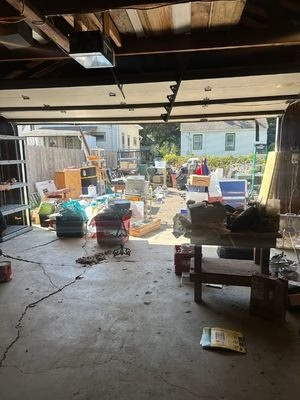
Removing Oil and Rust Stains from a Garage Floor
Oil and rust are the two most common stains on a garage floor, and they need different approaches.
For fresh oil stains, absorb what you can with cat litter or baking soda before it sets, then treat with a degreaser and scrub with a stiff brush. Older, set-in oil stains usually need a stronger degreaser and more than one treatment, since concrete is porous and grease works its way in over time.
Rust stains, often from tools, paint cans, or old shelving left directly on the floor, respond to an acidic cleaner made for mineral deposits rather than a general degreaser. The same category of cleaner that works on hard water stains in a bathroom works here, since rust is a mineral stain, not an oil-based one. Test any cleaner in a small, hidden area first, especially on sealed or painted concrete, since some products can affect the finish.
Keeping Your Garage Clean and Organized
A garage stays organized longest when there’s a clear place for everything and a light habit of putting things back. A quick seasonal check, when winter gear comes out or summer equipment goes away, is usually enough to keep clutter from building back up, without needing a full redo every year.
If a garage project feels bigger than a weekend, that’s common. We occasionally work with clients specifically on garage organizing, treating it much like organizing any other room: deciding what stays, sorting the rest, and setting up a system that actually gets used. One recent project involved a full day working side by side with a client to sort through years of accumulated items and turn the space into something usable again, the kind of project that’s hard to finish alone in a single evening.
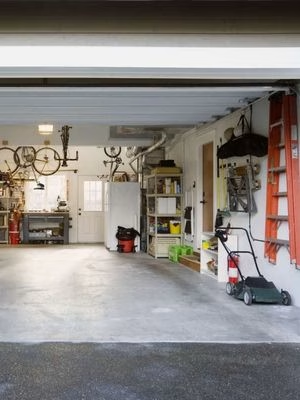
FAQs About Cleaning and Organizing a Garage
How long does it take to clean and organize a garage?
It depends heavily on how much is in it and how long it’s been since the last real cleanout. A single-car garage with moderate clutter might take a few hours; a garage that hasn’t been organized in years, or a larger space, can take a full day or more, especially with two people working.
What's the best way to remove oil stains from a garage floor?
Absorb fresh spills with cat litter or baking soda before they set, then treat with a degreaser and scrub. Older, set-in stains usually need a stronger degreaser and more than one application, since concrete absorbs oil over time.
Should I clean or organize my garage first?
Sort and remove what you don’t want first, then clean the empty space, then set up storage for what’s left. Cleaning a garage that’s still full of clutter means working around everything instead of actually reaching the surfaces.
How do I keep my garage from getting cluttered again?
Give everything a specific place, and build in a light seasonal check when gear rotates in and out, snow equipment in fall, lawn and garden equipment in spring. Most garages that stay organized aren’t reorganized constantly; they just have a system that’s easy to maintain.
Do professional cleaners clean garages?
It varies by company. At Keepsake, garage cleaning and organizing are both things we can help with, though it’s less common than a typical home cleaning request. If it’s something you’re interested in, mention it when you book so we can plan the right amount of time for it.
Is a mildly abrasive cleaner safe for all surfaces?
No. It works well on stainless steel and porcelain, but it can scratch or dull delicate finishes and should never be used on natural stone without checking that the product is stone-safe first.
A Garage You Can Actually Use
A clean, organized garage comes down to treating it as two connected jobs rather than one quick weekend project: clear it out, decide what actually belongs, clean what’s left behind, and give everything a place to go. Skipping any one of those steps usually means redoing the work within a year.
If the project feels like more than you want to take on alone, get a free quote from Keepsake PCO. We’re happy to help with the parts that take the most time, whether that’s a deep clean of the space itself or organizing it from the ground up.
About the Author

Claire Hensley
Cleaning Specialist
Claire Hensley is a cleaning specialist at Keepsake PCO with hands-on experience helping Twin Cities homeowners maintain cleaner, more comfortable homes. Claire writes about cleaning tips, home maintenance, and what professional cleaning actually looks like from the inside.
More Motivation & Tips
How to Keep a House Clean With Pets | Professional Cleaning Guide
Learn how to keep a house clean with pets using professional cleaning tips for dog and cat owners. Build a routine that reduces hair, odors, and dander.

How to Clean House Before Guests Arrive: A Professional Cleaning Checklist
Learn how to clean house before guests arrive with a professional cleaning checklist. Prioritize the rooms guests notice most and get guest-ready fast.

How to Unpack After Moving: A Room-by-Room Guide to Settling In
Learn how to unpack after moving: what to prioritize first, the right room-by-room order, how long it takes, and when to consider professional unpacking help.