
How to Unpack After Moving: A Room-By-Room Guide to Settling In
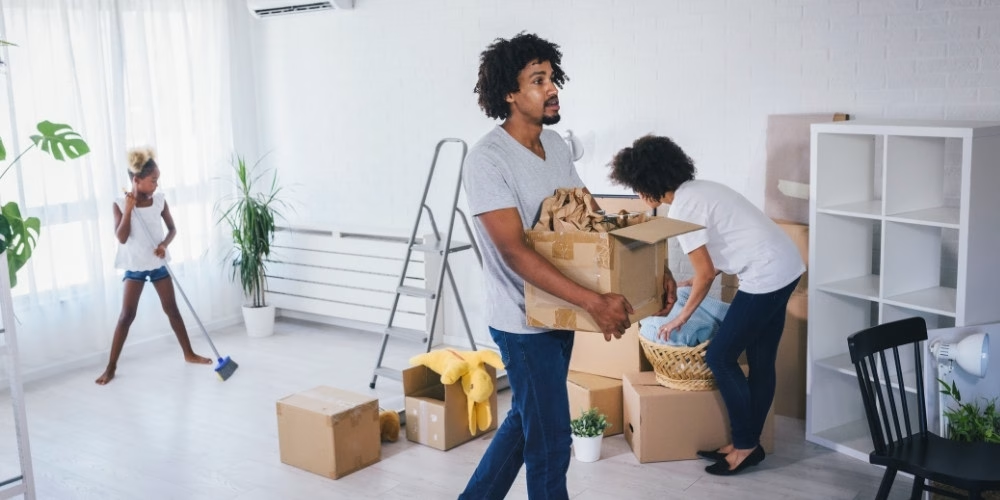
There’s a better way. At Keepsake PCO, we’ve helped hundreds of Twin Cities households unpack professionally, from individual apartments to coordinated building-wide projects. This guide shares what we’ve learned about unpacking efficiently, what to prioritize, and how to get to the point where you can stop thinking about boxes and start living in your new home.
Get furniture placed first. Then unpack perishables and your open-first essentials box. Prioritize the kitchen next, then bedrooms. Work room by room and resist the urge to jump between spaces. If you haven’t had a move-in clean yet, doing it before you fully unpack gives your cleaners the best access to cabinets, drawers, and floors.
Before You Unpack Anything, Get Furniture Placed
If you had a professional moving crew, this is exactly what the unloading walk-through is for: the point at which you direct your movers on where each piece goes. A couch placed correctly the first time is a couch you don’t have to move around piles of boxes later. Beds, dressers, and large shelving units all fall into this category.
Take a few minutes to walk through each room before unloading begins and know where the major pieces go. Your movers will do the heavy work. Once furniture is in place, unpacking into it is straightforward.
What to Unpack First After Moving
With furniture placed, the unpacking order matters. Here’s what to prioritize:
1. Perishable Food
If you transported any refrigerated or perishable food, get it into the refrigerator immediately. This should take only a few minutes but can’t wait.
2. Your Open-First Box
If you followed the advice in the CMM moving checklist, you set aside an open-first box for each room before moving day. These boxes contain the essentials you need to function in the first 24 hours: toiletries, phone chargers, medications, a change of clothes, basic kitchen items, and bedding. Open these first. Everything else can wait.
3. The Kitchen
The kitchen is usually the right room to prioritize after essentials. You’ll need to eat soon, and cooking or eating comfortably requires having dishes, utensils, food, and at least basic appliances accessible. Getting the kitchen to a functional state, even if not perfectly organized, gives you the ability to take care of yourself while the rest of the unpacking happens.
4. Bedrooms
After the kitchen, focus on bedrooms. Getting beds made and clothes unpacked into dressers or closets means you can start the next morning with a normal routine, which goes a long way toward making the new space feel like home. Children’s rooms deserve early attention for the same reason.
5. Everything Else
Bathrooms, living rooms, and secondary spaces can be unpacked more gradually. These rooms affect comfort but not the daily functioning that kitchen and bedroom access provides.
How to Unpack: Room-By-Room
Kitchen
The kitchen is the most time-intensive room to unpack, just as it’s the most time-intensive to pack. The goal for the first pass is functionality, not perfection. Get dishes, glasses, and cookware into cabinets in a logical arrangement. Food into the pantry. Appliances onto the counter or into cabinets where they’ll be used. You can refine the organization later.
A few things worth doing on the first pass:
- Line cabinet shelves before loading them if you use shelf liner
- Wipe out cabinets and drawers before putting anything in them (more on cleaning timing below)
- Keep frequently used items accessible rather than buried behind less-used pieces
Bedrooms
Bedrooms come together quickly when furniture is already placed. Here’s our recommended order:
- Make the bed with fresh linens before doing anything else in the room
- Load the dresser with folded clothes
- Hang clothes in the closet
- Unpack nightstand items and lamps
If you can, resist the urge to do decorative tasks like hanging artwork or arranging books before functional tasks are complete.
Bathrooms
Bathrooms are small and unpack fast. Prioritize the items you need for your morning routine: toiletries, towels, and medications. Get those accessible first before organizing everything else.
Living Room
The living room is usually where boxes accumulate because it’s central but not urgently functional. Once furniture is placed, unpack items with a designated home first (books onto shelves, electronics connected and functioning) before moving to decorative items that require decisions about placement.
Home Office
If you work from home, the home office should be treated with the same urgency as the kitchen and bedroom. Getting your computer set up and your essentials accessible means you can function professionally while the rest of the unpacking takes its time.
When to Schedule the Move-In Clean
The ideal time for a move-in clean is before furniture and boxes have been brought into the home. An empty home gives cleaners unobstructed access to every cabinet interior, drawer, floor, and surface. If you can coordinate a professional move-in clean in that window, even a short one, the results will be thorough.
In practice, that window is often logistically unavailable. If that’s the case, scheduling a move-in clean before you’ve fully unpacked is the next best option. You’ll likely still have better access to cabinet interiors and floors than you would after everything is organized and rugs are placed. Once the home is fully settled, cleaning around furniture and into already-filled cabinets is more difficult.
Either way, starting your life in a new home with a professional move-in clean is worth doing. It addresses residue left by previous occupants, construction dust in newly renovated homes, and the general grime that accumulates in any space that has been vacant or in transition.
Keepsake PCO offers move-in cleaning across the Twin Cities, coordinated around your CMM move date if you’re using both services.
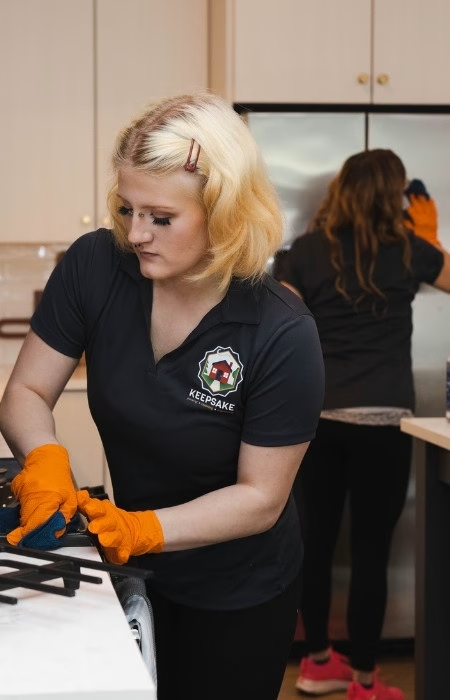
How Long Does it Take to Unpack After Moving?
For a solo unpacker managing other responsibilities around the process, unpacking a typical home to a fully settled state commonly takes days or weeks, not hours. The people who unpack quickly are the ones who follow a clear room-by-room order, make decisions about placement as they go rather than deferring them, and resist the urge to take breaks to arrange and rearrange before the boxes are empty.
The Emotional Side of Unpacking
That feeling is real. The relief that comes when the last box is emptied and put away is also real. There’s a meaningful difference between living in a home and living among boxes, and getting to the other side of unpacking is what marks the transition between the two.
For those who don’t have the time, energy, or ability to unpack themselves, professional unpacking services exist for exactly this reason. Keepsake has helped elderly residents in senior living transitions, families coordinating moves with young children, and individuals navigating major life changes. In every case, the goal is the same: getting your belongings put away so you can get back to living your life.
When to Consider Professional Unpacking Services
Professional unpacking isn’t only for large households or complex situations. It makes sense whenever the time or energy required to unpack yourself isn’t available, the stakes of a particular transition are high, or you simply want the job done well and quickly.
Based on Keepsake’s data, most unpacking services are completed by two-person crews and run between four and eight hours for a typical apartment. A full-home unpack runs longer. Partial unpacking, where a crew handles the kitchen and primary bedrooms while the customer manages the rest, is a good option that focuses professional time where the impact is highest.
Get a quote from Keepsake PCO for unpacking services across the Twin Cities.
FAQs About How to Unpack After a Move
What should I unpack first after moving?
Get furniture placed before unpacking anything. Then open perishables and your essentials box first. After that, prioritize the kitchen so you can eat and cook, then bedrooms so you can sleep comfortably and start a normal routine the next morning. Everything else can follow at a more relaxed pace.
How long does it take to unpack after moving?
It depends on the size of your home and how much help you have. Professional two-person crews from Keepsake PCO average around 7 to 8 hours for a typical unpacking service. For a single person managing other responsibilities, unpacking a full home to a settled state commonly takes several days. Following a room-by-room system and making placement decisions as you go significantly speeds up the process.
Should I clean before or after unpacking?
Ideally before, when the home is empty and cleaners have unobstructed access to cabinet interiors, drawers, and floors. If that window isn’t available, cleaning before you’re fully settled is still better than waiting until everything is in place. Once rugs are laid and furniture is arranged, cleaning around them is more difficult and thorough results are harder to achieve.
Do I need to unpack everything at once?
No, and trying to do so often leads to exhaustion and poor organization decisions. Focus on the rooms you need to function day-to-day: kitchen and bedrooms first. Secondary spaces like living rooms and home offices can be unpacked over several days as time and energy allow.
What's the best way to unpack a kitchen?
Clear and wipe out cabinets before loading them. Group items by how frequently you use them and place the most-used items in the most accessible spots. Get functional first (dishes, cookware, food) before organizing for aesthetics. You can refine the arrangement later, but having a functional kitchen from day one makes the first week significantly easier.
What is a move-in cleaning service?
A move-in cleaning is a professional clean of a home before or shortly after you move in. It covers surfaces, cabinet interiors, appliances, bathrooms, and floors that may carry residue from previous occupants, renovation work, or vacancy. Keepsake PCO offers move-in cleaning across the Twin Cities. See our move-in and move-out cleaning checklist for a detailed breakdown of what’s included.
About the Author

Claire Hensley
Cleaning Specialist
Claire Hensley is a cleaning specialist at Keepsake PCO with hands-on experience helping Twin Cities homeowners maintain cleaner, more comfortable homes. Claire writes about cleaning tips, home maintenance, and what professional cleaning actually looks like from the inside.
More Motivation & Tips
DIY Packing vs. Hiring a Packing Service: How to Decide
DIY packing vs. hiring a packing service? Compare real Twin Cities costs, time, and breakage risk, plus a simple way to decide what fits your move.
How Long Does It Take to Pack a House? Real Twin Cities Data
How long does it take to pack a house? Real Keepsake data shows professional packing times by home size, room estimates, and DIY timelines.
Essential Packing Supplies for Your Move
Essential packing supplies for a Twin Cities move, from a packing pro. What to buy, what to skip, and how to protect your belongings.