
Realistic Cleaning Routines for Real Life
Simple Systems and Habits for Busy Households
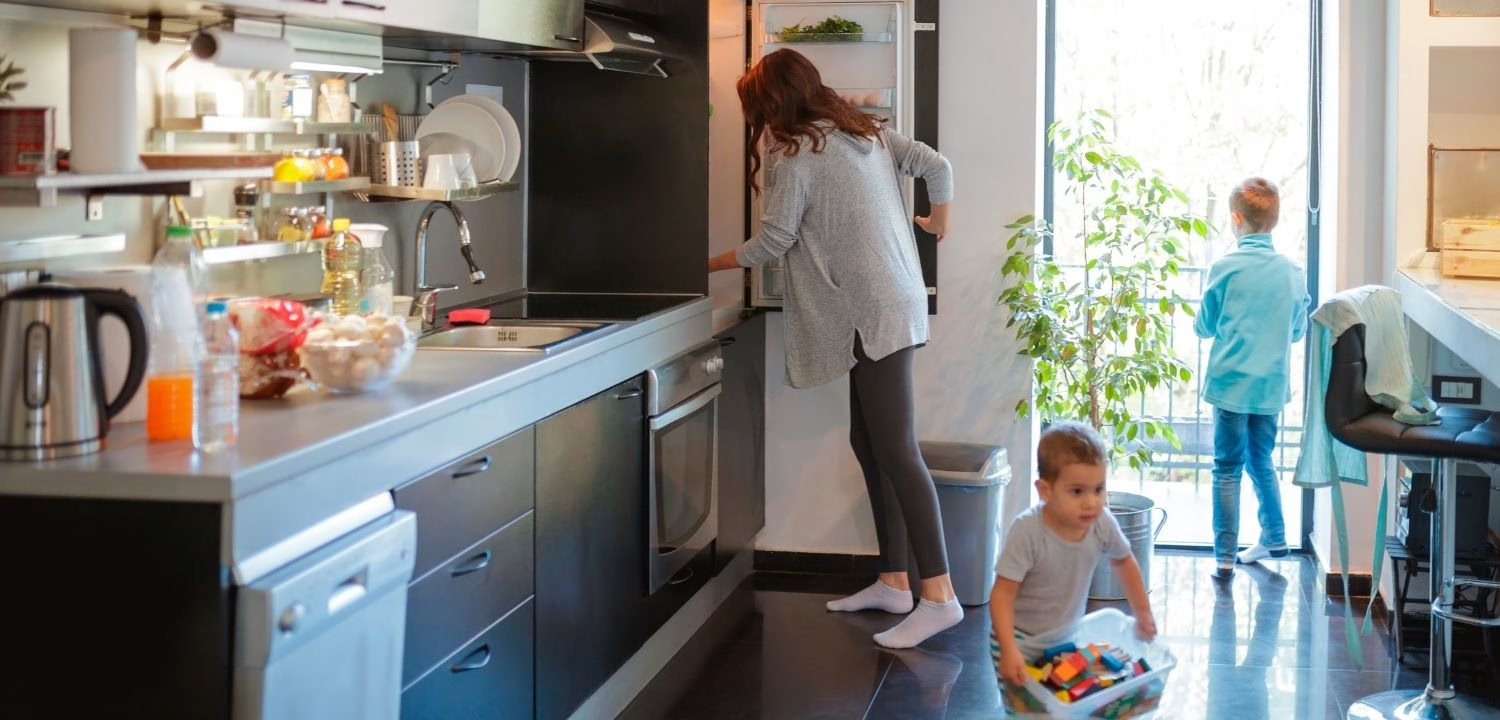
Have you ever felt overwhelmed by the mess at home? Our guess is yes, it happens to virtually everyone. When life gets busy, it can be easy to fall into an endless cycle of the mess building up, overwhelm and avoiding the problem, until it takes a marathon to get things back under control.
We’re professional cleaners and even we’ve been through it! But in all our time cleaning, we’ve also learned from experience how to create realistic cleaning routines that actually help you stay ahead of the mess without getting burnt out. In our opinion, putting in the work because of the many benefits of a clean, organized home.
Realistic cleaning routines need to be designed for real schedules and real messes, whether that means kids, pets, demanding jobs, or all of the above. This guide breaks down what realistic cleaning routines actually look like, why they work, and how to build one that fits your actual lifestyle.
What We Mean By “Realistic Cleaning Routines”
One of the key aspects of a realistic cleaning routine is accepting that it’s impossible to keep your home spotless at all times. Real life isn’t perfect and some amount of mess is okay.
Instead of perfection, we want to help you build systems that make your home feel manageable most of the time. It’s when the mess gets out of control that we feel overwhelmed, so we want to avoid letting it build up to that point.
Realistic cleaning routines are:
- Consistent rather than intense
- Built around habits, not motivation
- Flexible enough to change with seasons and life stages
- Focused on maintenance, not perfection
They are NOT:
- Daily deep cleans
- Pinterest-perfect standards
- Rigid schedules that fall apart when life gets busy
- A reflection of who you are as a person
Ultimately, the point of cleaning routines is to reduce stress, not make life feel harder if you can’t stick to them.

Real life is messy sometimes. Your home may never look like Pinterest-perfect homes, and that’s okay!
Why Most Cleaning Routines Fail
Maybe you’ve tried some kind of cleaning system before and before you knew it, you’d fallen behind and given up. So what will be different this time?
Don’t blame yourself if that sounds familiar. In reality, most cleaning routines fail because they were never realistic to begin with.
Common reasons why cleaning routines fall apart:
- They rely on motivation instead of systems
- They require large chunks of uninterrupted time
- They aim for perfection instead of progress
- They ignore seasonal and lifestyle changes
- They turn mess into a personal failure instead of a normal part of life
Make sure your cleaning routine is achievable. It’s better to set the bar low when starting out. You can always add more later, after you’ve built up some good habits.
When routines are too demanding, we start to avoid them. Then the mess grows and cleaning feels heavier than it needs to be. Check out our article on New Year’s Cleaning Resolutions That Actually Stick for more tips on how to set yourself up for success.
The Foundations of a Realistic Cleaning Routine
Before getting into schedules or checklists, it helps to understand the mindset behind routines that actually last. In our experience, if you don’t embrace these principles, your routine won’t last or you’ll get burnt out quickly.
1. Consistency Over Intensity
Ten minutes of picking up done regularly will always beat the occasional cleaning marathon. Small efforts add up faster than you think. This approach keeps the mess feeling manageable, not ever getting to the point of overwhelm.
2. Maintenance Beats Deep Cleaning
Most homes don’t need constant resets, just steady upkeep. Maintenance slows the kind of buildup that makes a deep clean necessary. A shift in your mindset can be helpful too. Some amount of dust or grime buildup means you are busy living life. After all, you don’t want to spend all your time cleaning!
3. Systems Reduce Decision Fatigue
Creating a system ahead of time allows you to not have to figure things out each day or week. When you know what gets done and when, you spend less energy deciding. That way your mind is free to spend energy on more enjoyable things.
4. Flexibility is Key to Success
Your cleaning routine has to be able to adapt to real life. Sometimes you will be busy and need to scale back temporarily. Sometimes the changing seasons bring different types of messes. Make sure that your routine can adjust with life changes without “failing”.
Layered Cleaning: How to Build A Realistic Routine that Works
As professional cleaners, we typically don’t clean everything all at once. The cleaning routines we use in our own homes work the same way.
Instead of one massive effort, we clean in layers:
- Daily Resets
Short, focused tasks (usually 10 – 15 minutes) that keep clutter from spreading.
- Weekly Maintenance
Regular care for areas that get used a lot, like kitchens, bathrooms, and floors.
- Monthly or Seasonal Resets
Deeper attention to areas that don’t need a weekly focus.
- Occasional Deep Cleans
Intentional resets that help you get back to baseline when things have gotten off track.
Cleaning in layers like this is realistic and effective. It doesn’t require hours of cleaning each day, and it keeps the mess manageable, not overwhelming.
How to Adapt Cleaning Routines to Real Life
No two households are the same. Your cleaning routine should reflect your reality. Here are some tips on how to adapt your cleaning routine to your real life.
Busy Families
Let’s be real – kids are messy. As parents, a lot of our cleaning energy is spent picking up after our kids or working with them to clean up after themselves.
The mess is bound to happen, so focus your routines around containment rather than prevention. Make sure you have designated drop zones for everyday items. Bins and buckets for containing toys, books, and art supplies are essential too.
Dual-Income or High-Demand Schedules
When work is highly demanding, time becomes your most precious resource. You’ll rarely have large blocks of unscheduled time and when you do, you won’t want to spend it catching up on cleaning.
Keep your weekday routine light. Focus on short daily resets to keep things under control. Taking 15 minutes to clear the clutter and hit the high spots each day will make a big difference.
Empty Nesters or Retirees
With no mess-making kids at home or demanding work schedules, you can focus on consistency in your cleaning routines. Tidying regularly will keep you on top of the mess. Then you can spend a bit more time on the details on a seasonal basis or before having guests over.
Seasonal Adjustments (A Minnesota Reality)
Winter brings boots, salt, and more time spent indoors. Summer brings open windows, bugs, and more time away from home.
Plan ahead for the changing of the seasons instead of reacting after new kinds of messes start piling up. Entryways and mudrooms especially need to adapt to keep the right outdoor gear accessible and organized.
When to Deep Clean vs. When to Maintain
It’s important to remember that not every messy moment means something is wrong with your routine. Remember, real life isn’t perfect and spotless.
But sometimes it is helpful to reset with a deep clean, so how do we know when that’s the case?
You may need to deep clean if:
- Cleaning feels overwhelming no matter where you start
- Buildup has spread across multiple rooms
- You’re spending more time reacting to messes than maintaining balance
Maintenance is enough when:
- The mess is contained to one room or area
- Your daily and weekly routines still feel manageable
- You’re mostly keeping up, even if things aren’t perfect
Both phases are normal. Every household cycles through messy and clean at different times.
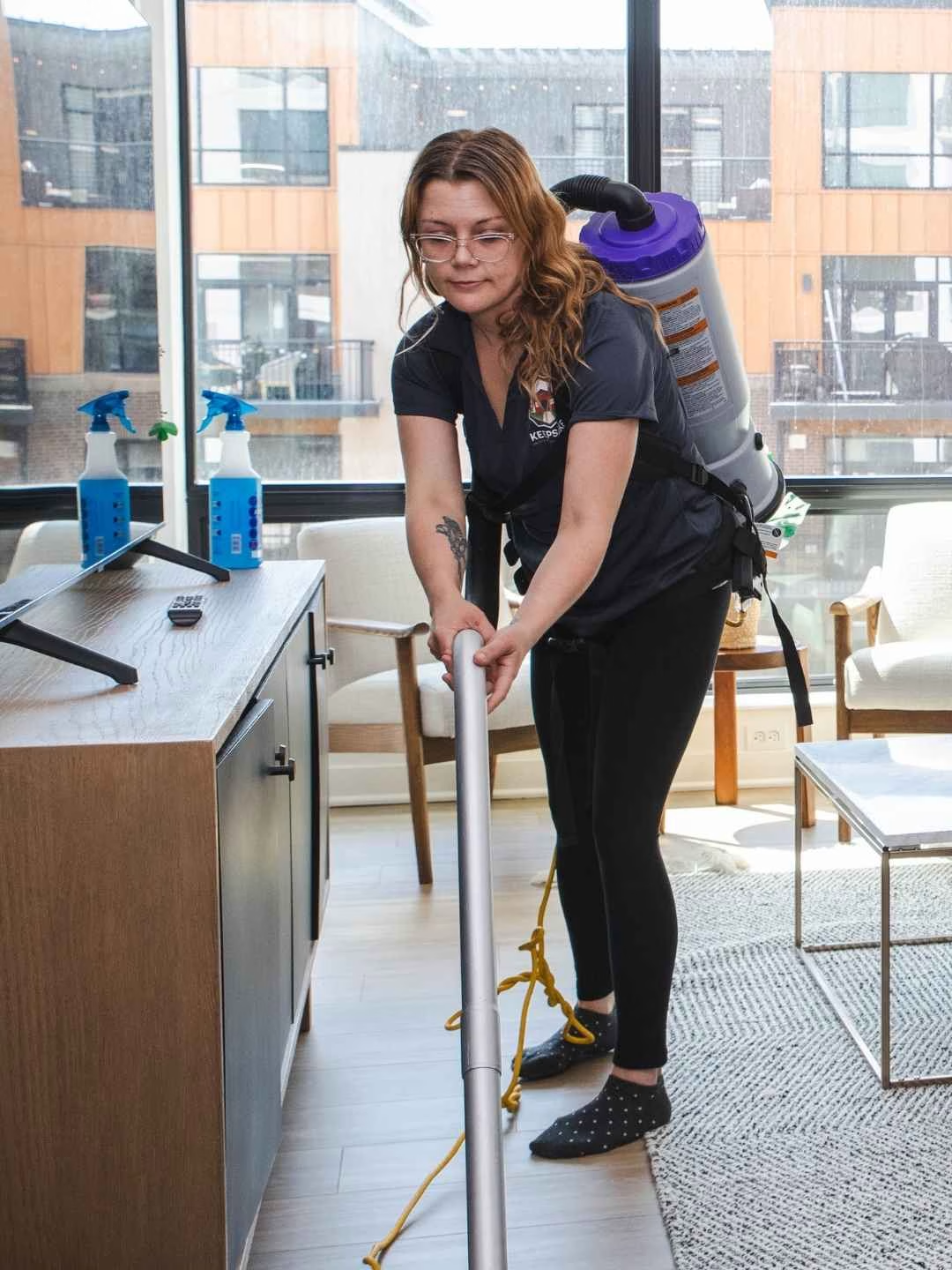
How Professional Cleaning Fits Into Realistic Routines
In an ideal world, everyone would have the mess under control and no one would need support from professional cleaners. But as we know, real life is messy and everyone needs help from time to time.
In most cases, professional cleaning is used to support your cleaning routine, not replace it entirely. For many households, professional cleaning helps:
- Reestablish a baseline through a deep clean
- Make maintenance easier with routine cleaning
- Take away stress during busy times
Think of professional cleaning as a stabilizer that makes realistic routines easier to mantain. It’s intended to give you support when the mess feels overwhelming, or to give you back more time for other things.
How to Get Started With Your Own Cleaning Routine
You don’t need a brand new system to start building a cleaning routine that is realistic for your life and goals. We recommend starting smaller than you think to get some quick wins and build momentum.
- Pick one layer to focus on first
- Set a bar you can clear even on busy weeks
- Adjust with the season instead of giving up
- Ask for help before burnout sets in
Maybe you start by committing to putting away the clutter at the end of each day.
Or you could establish some clear drop zones for shoes, jackets, and backpacks if you’re struggling to keep those things contained
Or tackle one room for 30 minutes each weekend.
The goal isn’t to do everything all at once. Just aim to do one thing better than you have been.
A Final Thought
Remember that mess is normal. Everyone goes through busy times and needs support once in a while.
Don’t expect your cleaning routine to be perfect, focus instead on keeping things manageable and under control.
The goal is to prevent your home from being a source of stress and distraction. When your routines work with your life instead of against it, maintaining your home doesn’t feel so stressful.
If you need help building or maintaining a routine that fits your life, support is always an option.
More Motivation & Tips

How Does a Clean Home Affect Your Health and Happiness?
A cleaner home can help you feel calmer, sleep better, and get sick less often. Here’s how a tidy space supports your health and happiness.