
How to Keep a House Clean With Pets: A Professional Cleaning Guide
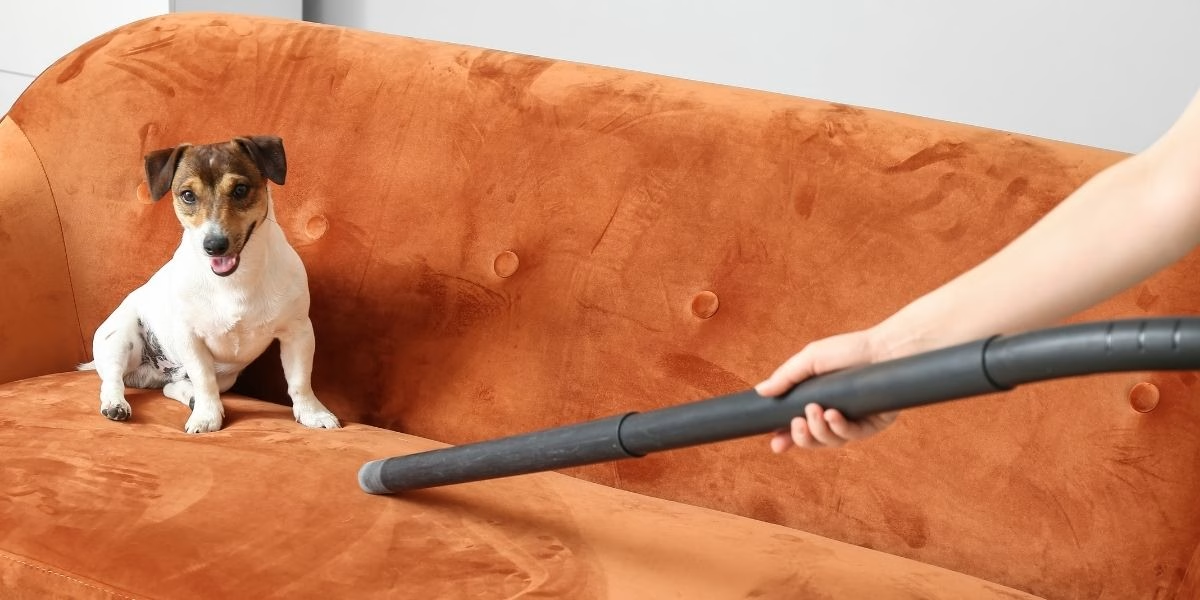
If you’ve ever looked around your home after your dog tracked in muddy paw prints or your cat left a trail of litter outside the box, you’re not alone. Pets bring a lot of joy to our lives, but there’s no denying they also require extra cleaning. I have two fur babies of my own at home so I’m speaking from experience here.
The good news is that learning how to keep a house clean with pets isn’t about chasing perfection. The key is to create routines that keep pet hair, odors, dirt, and dander from becoming overwhelming. Small habits practiced consistently make a much bigger difference than occasional marathon cleaning sessions.
At Keepsake PCO, we’ve helped more thousands of Twin Cities homeowners create cleaner, healthier homes over the past six years. One thing we’ve learned is that every pet owner faces similar challenges, whether they have one sleepy cat or three energetic dogs. The homes that stay cleanest aren’t necessarily cleaned more often. They simply focus on the right tasks in the right places.
In this guide, we’ll share the same practical strategies our professional cleaners recommend to clients, including ways to reduce pet hair, control odors, manage shedding, and create a cleaning routine that actually fits everyday life.
Keeping a house clean with pets comes down to a handful of consistent habits rather than one big weekly clean. The homes that stay cleanest tend to:
- Wipe paws and brush pets daily, especially during Minnesota’s muddy spring and shedding seasons
- Vacuum upholstered furniture before vacuuming floors, since loose hair settles down as you go
- Dust before vacuuming so falling dust and dander get captured instead of resettling
- Wash pet bedding and blankets weekly to control odor at the source
- Pay extra attention to baseboards, air returns, and the space under furniture, where pet hair collects most
- Treat odors with the right cleaner for organic stains rather than air fresheners, which only mask the smell
- Bring in a professional deep clean a few times a year, especially after heavy shedding seasons or before hosting guests
The sections below walk through each of these in more detail, along with a full daily, weekly, monthly, and seasonal schedule you can follow.
Why Homes With Pets Get Dirty Faster
Bringing a dog or cat into your home changes more than your daily routine. It also changes how dirt moves through your house.
Pet owners often think hair is the biggest challenge, but in our experience, it’s only one piece of the puzzle. Most of the extra cleaning comes from several small factors working together.
Pet Hair
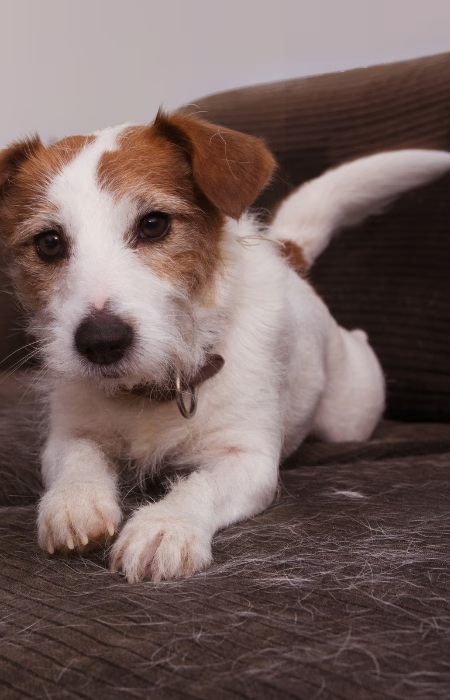
Shedding is the most obvious culprit. Hair settles on furniture, works its way beneath sofas, clings to fabrics, and gathers along baseboards where everyday vacuuming often misses it.
One thing we notice during professional cleanings is that homeowners usually focus on the middle of the room. The largest accumulations of pet hair are almost always around the edges, under furniture, and on upholstered surfaces.
Pet Dander
Hair gets the attention, but dander is often the bigger concern.
Pet dander consists of microscopic skin flakes that settle throughout the home. Because the particles are so small, they remain airborne much longer than pet hair and can trigger allergies even when your floors look clean.
Reducing dander requires more than vacuuming. Regular dusting, wiping hard surfaces, vacuuming upholstered furniture, and replacing HVAC filters all help improve indoor air quality.
Dirt, Mud, and Outdoor Debris
Living in Minnesota means dealing with changing seasons, and each season brings its own cleaning challenges.
During spring, muddy paws can quickly turn freshly mopped floors into a mess.
Summer often means more trips to parks, lakes, and trails that bring grass clippings, sand, and dirt indoors.
Fall introduces leaves and moisture.
Winter may be the toughest season of all. Snow, ice melt, and road salt can be tracked inside multiple times each day, leaving behind residue that’s hard on both floors and entry rugs.
Oils, Drool, and Everyday Messes
Dogs and cats naturally leave behind body oils that build up on furniture, doors, walls, and flooring over time.
Food bowls collect crumbs. Water bowls splash. Litter boxes scatter debris. Pet beds trap odors.
None of these messes are difficult individually, but together they create the feeling that the house is never quite clean.
Understanding where these messes originate is the first step toward preventing them from taking over your home.
How to Keep a House Clean With Pets Every Day
You don’t need to spend hours cleaning every day to maintain a tidy home. In fact, the homes that stay cleanest usually rely on short, consistent routines rather than occasional deep cleans.
Here are the habits we recommend most often:
Wipe Paws Before Pets Come Inside
Keeping a towel or paw-cleaning station near your primary entrance prevents dirt from traveling throughout the house.
During Minnesota’s muddy spring and snowy winter months, this simple habit can dramatically reduce how often you need to mop.
Brush Your Pets Regularly
One of the easiest ways to reduce pet hair inside your home is to remove it before it falls onto your furniture and floors.
Regular brushing also helps reduce dander while keeping coats healthier.
Different breeds have different grooming needs, so follow your veterinarian’s recommendations for brushing frequency.
Clean Food and Water Areas Daily
Pet feeding stations collect more grime than many homeowners realize.
Wipe around food bowls each day to remove crumbs, splashed water, and saliva before they become sticky buildup.
Wash bowls regularly according to your veterinarian’s recommendations.
Scoop Litter Boxes Frequently
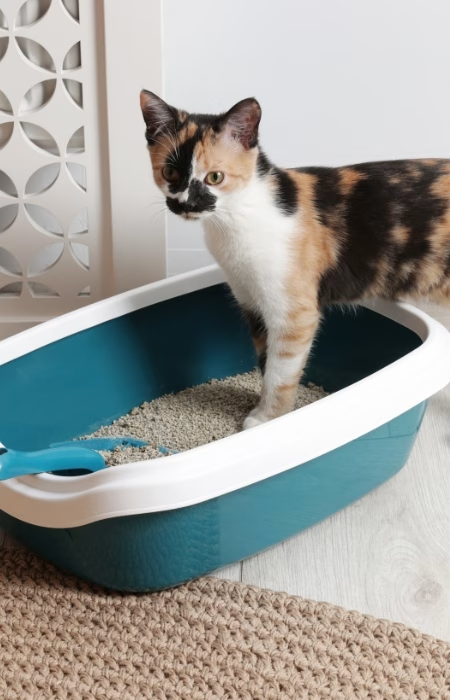
If you have cats, frequent scooping is one of the biggest factors in controlling odors.
Cleaning the surrounding floor regularly also prevents litter from spreading into adjacent rooms.
Spot Vacuum High-Traffic Areas
You don’t need to vacuum your entire home every day.
Instead, focus on the places where pets spend the most time:
- Entryways
- Living rooms
- Hallways
- Around pet beds
- Near litter boxes
- Under feeding stations
A quick five to ten minute vacuum often prevents pet hair from becoming overwhelming later in the week.
Weekly Cleaning Tasks Every Pet Owner Should Do
Daily habits keep messes manageable, but weekly cleaning removes the buildup that naturally accumulates in busy homes with pets.
Vacuum Furniture Before Vacuuming Floors
This is one of the biggest differences we notice between professional cleaning routines and typical household cleaning.
Many people vacuum the floors first. Instead, start with upholstered furniture.
As you remove pet hair from couches, chairs, and cushions, loose hair inevitably falls onto the floor. Vacuuming the furniture first means you’ll only need to vacuum the floors once.
If your home has pets that spend time on furniture, using upholstery attachments during your weekly vacuuming routine can make a noticeable difference.
Dust Before Vacuuming
Pet dander settles on more than floors.
Dust shelves, window sills, ceiling fan blades, blinds, and baseboards before vacuuming. This allows fallen dust and hair to be captured during the final vacuuming step rather than settling back onto freshly cleaned surfaces.
Wash Pet Bedding
Pet beds are one of the largest sources of lingering odors. Most washable covers should be laundered weekly or every other week, depending on how heavily they’re used.
Don’t forget blankets your pets regularly sleep on, especially those covering couches or beds.
Clean Floors Thoroughly
Vacuuming removes hair and dirt, but hard floors also benefit from routine mopping.
Pay extra attention to:
- Entryways
- Kitchen floors
- Around food and water bowls
- Hallways
- Mudrooms
These areas typically experience the most pet traffic.
Don’t Forget Baseboards
If we had to name one cleaning task homeowners overlook most often, baseboards would be near the top of the list. They’re magnets for pet hair, dust, and dander.
Even homes that are vacuumed regularly can develop noticeable buildup along walls where airflow naturally pushes lightweight hair.
A quick wipe every week or two helps keep the entire room looking cleaner.
Professional Tips for Removing Pet Hair
In the years I’ve spent cleaning homes across the Twin Cities, I’ve noticed that pet hair rarely stays where you’d expect. It’s the reason a home can look freshly vacuumed and still feel “furry” within a day. A few professional techniques help close that gap.
Use a damp rubber glove for embedded hair. Vacuums pick up loose hair well, but hair embedded in upholstery or carpet fibers often resists suction alone. Running a damp rubber glove or a rubber-bristled pet hair brush across the surface causes the hair to ball up and lift free, making it far easier to gather by hand or with a vacuum afterward.
Check air return vents and registers. Air returns pull air, and everything floating in it, back toward your HVAC system. Hair and dust naturally collect on the grille over time, and if it’s never cleaned, some of it recirculates right back into the room. Wiping down return vents monthly keeps them from becoming a hidden source of hair and dander.
Don’t skip ceiling fans. Fan blades collect a felt-like layer of dust and hair that’s easy to forget since it’s out of sight. When the fan runs, that buildup gets stirred back into the air. Sliding an old pillowcase over each blade and pulling it back captures the debris instead of scattering it across the room below.
Look under cushions and furniture. Loose hair works its way beneath couch cushions and into the gaps around furniture frames, areas a quick weekly vacuum often misses. Pulling cushions and checking underneath every few weeks keeps hair from accumulating somewhere it never gets disturbed.
Account for Minnesota’s dry winter air. Forced-air heating dries out indoor air all winter, and dry air makes hair cling to fabric through static. Wiping surfaces with a dryer sheet before vacuuming helps loosen that static charge, so more hair actually makes it into the vacuum instead of resettling.
How to Get Rid of Pet Odors Instead of Covering Them Up
Air fresheners, scented candles, and odor-neutralizing sprays are common tools in pet-owning homes, but they only mask smell. They don’t remove it. If odors keep returning no matter how often you spray, the smell is likely still present in fabric, flooring, or another surface, just temporarily covered.
Address the Source, Not the Symptom
Pet odors typically come from a few consistent places: pet beds, blankets, litter boxes, food and water bowls, and garbage. Each needs to be cleaned on its own schedule rather than deodorized from a distance.
- Pet beds and blankets should be washed weekly, since fabric absorbs oils and odor over time.
- Litter boxes need daily scooping and a full box refresh every few weeks. If odor lingers in the room itself, wiping down floors and nearby walls helps, since litter dust settles wider than most people expect.
- Food and water bowls should be washed regularly. Splashed water and food residue create the kind of buildup that develops odor quickly.
- Garbage, especially anything holding pet waste or spoiled food, should be taken out often rather than left to accumulate smell in a closed container.
Choose the Right Cleaner for Organic Odors
Urine, drool, and other organic messes respond best to cleaners designed to break down the source material rather than scent over it. Oxygen-based cleaners are a common professional choice for exactly this reason: they work on organic stains and odors at a chemical level instead of simply perfuming the surface.
Know When You Need More Than Vacuuming
Regular vacuuming removes loose hair and surface dirt, but it doesn’t reach odor that has soaked into carpet padding or deep into upholstery. If a smell persists in one specific spot no matter how often you clean around it, that’s usually a sign it’s time for professional carpet extraction rather than another round of spot cleaning.
The Difference Between Pet Hair and Pet Dander
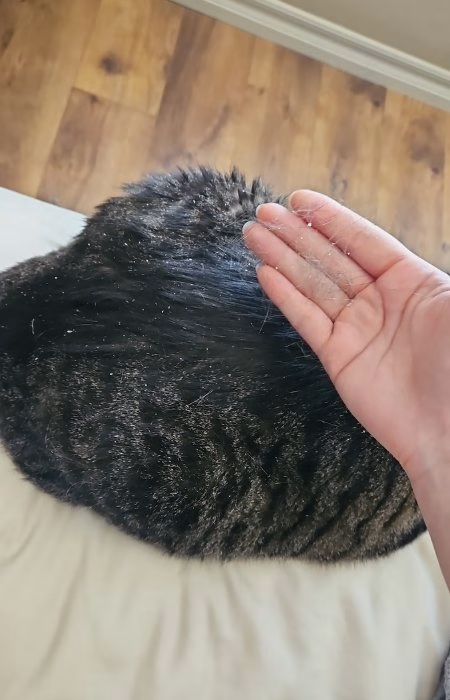
Pet hair is visible. It clings to fabric, gathers in corners, and shows up in every vacuum canister. Dander is different. It’s made up of microscopic flecks of skin that pets shed continuously, and it’s small enough to stay suspended in the air far longer than hair or dust. According to the American Lung Association, dander’s tiny, irregular shape is exactly what allows it to travel through the air and settle onto furniture, bedding, and fabric throughout a home, not just wherever the pet spends time.
That distinction matters for allergy sufferers in particular. A home can look spotless with no visible hair anywhere and still have elevated dander levels circulating through the air. Reducing dander takes more than vacuuming:
- Vacuum with a machine that has a sealed HEPA filter, so dander isn’t blown back out through the exhaust
- Dust hard surfaces regularly, since dander settles on shelves, blinds, and window sills, not just floors
- Wash soft surfaces like pet beds, blankets, and curtains on a regular schedule
- Replace HVAC filters on schedule, since a clogged filter recirculates more dander than it captures
Common Cleaning Mistakes Pet Owners Make
- Vacuuming too infrequently. Once a week is a reasonable baseline, but homes with heavy shedding breeds or multiple pets often need more frequent attention in high-traffic areas.
- Skipping furniture. Floors get vacuumed regularly; couches and chairs often don’t, even though they hold onto as much hair as any rug.
- Forgetting baseboards and air returns. Both quietly collect more hair and dust than most people expect, and both are easy to overlook during a routine clean.
- Overusing scented products. Heavy fragrance can mask odor short term while doing nothing to remove its source, and can even make it harder to identify where a persistent smell is actually coming from.
- Ignoring HVAC filters. A dirty filter has to work harder and lets more dander recirculate through the home.
- Waiting until guests are coming over. A last-minute clean the night before a visit is stressful and rarely reaches the areas that need it most, like baseboards, air returns, or under furniture. If you do need a fast pre-guest refresh, our guide to cleaning before guests arrive covers which rooms to prioritize.
A Realistic Cleaning Schedule for Pet Owners
Consistency matters more than intensity. A short daily routine paired with a slightly longer weekly one keeps most homes in good shape without requiring a marathon clean session.
| Frequency | Tasks |
|---|---|
| Daily | Wipe paws at the door, spot vacuum entryways and high-traffic areas, wipe food and water bowls, scoop litter boxes |
| Weekly | Vacuum furniture, then floors; dust surfaces, blinds, and baseboards; wash pet bedding and blankets; mop hard floors, especially entryways and kitchens |
| Monthly | Vacuum under furniture and couch cushions, wipe down air return vents, clean ceiling fan blades, wash pet toys, check the HVAC filter |
| Seasonal | Deep clean after shedding season, wash entry rugs after Minnesota’s muddy spring and salty winter months, refresh pet beds, schedule a professional deep clean before major holidays or guests |
Minnesota’s seasons add their own rhythm to this schedule. Spring mud and a heavier spring shed both call for more frequent vacuuming and entry rug washing. Summer brings more outdoor time and more dirt tracked in from parks, lakes, and trails. Fall brings a second shedding season for many breeds. Winter adds road salt and ice melt residue to the mix, along with more time spent indoors overall, which means pet hair and dander accumulate faster even though outdoor mess slows down.
If you want a broader routine that goes beyond pet-specific tasks, our guide to realistic cleaning routines for real life covers how to build a schedule that fits an actual week rather than an idealized one.
When Professional Cleaning Makes the Biggest Difference
Even a strong daily and weekly routine has limits. A few situations tend to be where professional cleaning makes the most noticeable difference for pet owners.
Recurring cleaning for busy households. A routine cleaning plan keeps up with the day-to-day reality of pet ownership without adding another task to your week. At Keepsake, recurring visits can include pet hair removal from upholstery, and we’re happy to wipe baseboards on every visit or spend extra time in a litter box room if that’s a priority for your household. Just let your cleaning team know what matters most, and they’ll plan around it.
Deep cleaning after shedding season. Spring and fall shedding seasons leave hair and dander in places a weekly routine doesn’t always reach. A deep cleaning visit resets the whole home, including the corners, vents, and upholstery that build up the most over a season. If you’re deciding between the two, our breakdown of deep cleaning vs. standard cleaning can help you choose.
Move-in and move-out cleaning. Whether you’re moving into a home with a previous pet owner’s lingering odors or preparing your own home for its next occupants, move-in/move-out cleaning addresses pet-related buildup that a standard clean can miss, especially in carpet and around baseboards.
A few notes worth knowing before your visit: our cleaners clean inside pet areas but not the crates themselves, and we recommend keeping pets secured and decluttering ahead of time so the team can focus fully on cleaning rather than navigating around toys, leashes, or an excited dog at the door.
If you’re not sure which service fits your home, our guide to what’s included in a professional house cleaning breaks down exactly what happens on a routine, deep, and move-in/move-out visit, and our guide to how often you should get your house professionally cleaned can help you land on the right frequency for a pet-owning household.
FAQs About Cleaning for Pet Owners
How often should you vacuum a house with pets?
Most pet-owning homes do well vacuuming high-traffic areas two to three times a week, with a full-home vacuum at least once weekly. Homes with heavy shedding breeds, multiple pets, or shedding-season timing often need to vacuum more frequently to keep up.
Should you vacuum or dust first if you have pets?
Dust first. Dusting shelves, blinds, and ceiling fans knocks settled dust and dander down onto the floor, where a follow-up vacuum can capture it. Vacuuming first means cleaning the floor twice.
Does professional cleaning help with pet allergies?
It can help reduce allergy triggers, though it won’t eliminate them completely, since dander is continuously produced as long as pets are in the home. Regular professional cleaning reduces the overall buildup of dander, hair, and allergens on surfaces most households don’t clean thoroughly on their own.
What's the fastest way to remove pet hair from furniture?
A damp rubber glove or rubber-bristled brush works faster than a standard vacuum attachment for embedded hair, since it causes hair to clump together instead of scattering. Follow up with a vacuum to collect what’s been lifted.
Can pet odor be completely removed, or just reduced?
Odor can be fully removed when it’s treated at the source with the right cleaner, rather than masked with fragrance. Persistent odors that don’t respond to regular cleaning usually mean the source, often carpet padding or deeply soiled fabric, needs professional attention like carpet extraction.
How do I prepare my home for cleaners if I have pets?
Secure pets somewhere comfortable, let your cleaning team know about any priority areas like litter box rooms or pet beds, and clear away toys, leashes, or food bowls from areas you’d like cleaned. A quick heads-up about anything unusual, like a shy cat or a dog that barks at the door, also helps the visit go smoothly.
Live Cleanly With Pets Without Chasing Perfection
Keeping a house clean with pets isn’t about eliminating every trace of them. It’s about building a routine that keeps hair, dander, and odor from taking over faster than you can manage them. A few minutes a day, a slightly longer weekly routine, and consistent attention to commonly overlooked spots like baseboards, air returns, and the space under furniture go a long way.
And when a season’s worth of shedding or an especially busy stretch gets ahead of you, that’s exactly the kind of reset a professional deep clean is built for. Get a quote and let Keepsake help you keep your Twin Cities home clean, comfortable, and pet-friendly all year long.
About the Author

Claire Hensley
Cleaning Specialist
Claire Hensley is a cleaning specialist at Keepsake PCO with hands-on experience helping Twin Cities homeowners maintain cleaner, more comfortable homes. Claire writes about cleaning tips, home maintenance, and what professional cleaning actually looks like from the inside.
More Motivation & Tips

DIY Packing vs. Hiring a Packing Service: How to Decide
DIY packing vs. hiring a packing service? Compare real Twin Cities costs, time, and breakage risk, plus a simple way to decide what fits your move.
How Long Does It Take to Pack a House? Real Twin Cities Data
How long does it take to pack a house? Real Keepsake data shows professional packing times by home size, room estimates, and DIY timelines.
Essential Packing Supplies for Your Move
Essential packing supplies for a Twin Cities move, from a packing pro. What to buy, what to skip, and how to protect your belongings.